Informations touristiques
Costa Verde

Recherche rapide


 - 

Nombre de personnes
arrow
Rechercher
Transaction sécurisée SSL

Suivez-nous

Trouvez-nous sur Facebook

Informations de voyage et vidéo sur la Costa Verde

Informations de vacances, renseignements, photos et vidéo sur la Costa Verde

Renseignements

Altitude 0 mètres
Aéroport Santander, Oviedo, La Coruña
Distance plage 0 mètres
Température max. 30 C
Température min. 0 C


Costa Verde

The Costa Verde, or Green Coast, is a stunning coastline region on the Cantabria Sea, located in the spectacular Principality of Asturias, the capital city of which is Oviedo.

The title of the Green Coast was given to the Spanish northern maritime coast; a lush, green coastal strip which runs north from the Cantabrian and Basque mountains, along the Bay of Biscay and includes the land zones of Asturias, Cantabria and half of the Basque country, from Galicia to the French border.

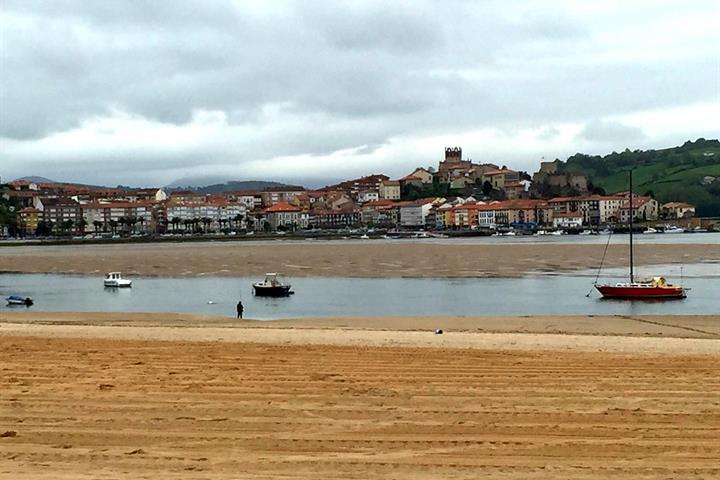
The beautiful coast is one of the most popular destinations in northern Spain. Breathtaking and rugged, with scattered virgin sand beaches; contrasted with wooded national parks, dramatic mountain ranges, and biosphere reserves.


History
The Kingdom of Asturias was the first Christian nation to be established in the Iberian Peninsula after the re-conquest from the Islamic Moors in 718. Asturias then became a stronghold for the Christian faith and there are still many monuments that depict this dynasty, which lasted for centuries.

The region has its own language, Asturiano or Bable; however, Asturianos also speak Castellano (traditional Spanish).


Beaches
Over 350 kilometres of coastline, of white sands expanses, secluded coves, wild gorges and fishing communities and ports. Some of the most stunning beaches include the hidden treasure Playa Xago, the nudist beach of Playa de Barayo de la Vega located in Valdes and the wild gem Cobijeru Beach.

Many of the beaches are fairly remote, with facilities; so make sure you take a pack lunch and plenty of water!


Natural Asturias
The contrast of the Asturian countryside and natural coastal zone makes for a perfect vacation for those who love hiking and walking. The coastal area is both stunning and dramatic; long sandy beaches, hidden caves and a spectacular backdrop of rugged mountains. The marine zone of Asturias was the first in Spain to become a protected area.

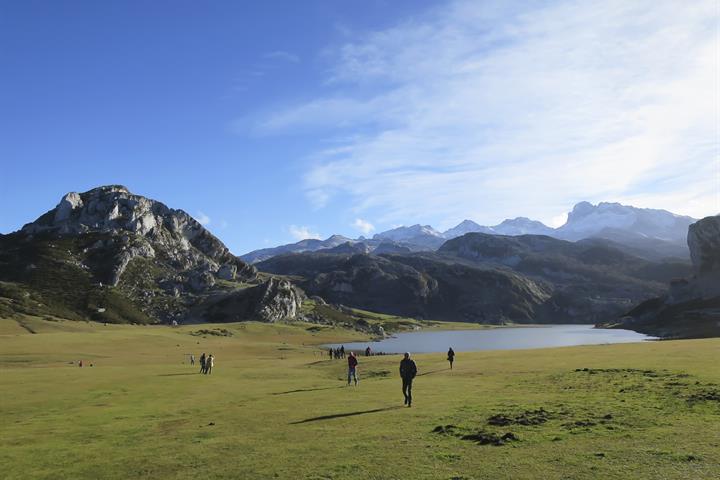
Head inland and the scenery is no less spectacular; mountain villages, emerald forests, gorges, fertile plains, rushing rivers, and the serene and magnificent snow capped Picos de Europa (Peaks of Europe), which attract walking enthusiasts from all over the world. The ancient land is still dotted with the footprints from the dinosaurs from the Jurassic age, 150 million years ago. It’s also one of the only places in Western Europe where brown bears still roam and its home to wild wolves, chamois and golden eagles.

Towns and villages
Gijon is situated in the central coastal area of Asturias; it began as a fishing village nearly 3000 years ago and is now considered the maritime capital of Asturias, incorporating one of Spain’s busiest shipping ports. The city combines perfectly its historical past with a modern day, energetic and prosperous town. It’s vibrant and lovely and has great shopping and places to eat.

Aviles is located on the Cantabria coast, although the smallest of the three main towns in Asturias, it is the most popular in terms of tourism, the old seafaring and farming town is now a modern industry-thriving town. UNESCO has declared its city centre a Historical-Artistic site and it boasts many important architectural sites.

The municipality of Llanes, which is located in the eastern area of the Costa Verde, comprises of over 70 towns, villages and hamlets, and is dotted with picturesque valleys, hills and rivers. Llanes itself is a charming and historical village with fantastic views to the Cantabrian Sea.

Cuisine
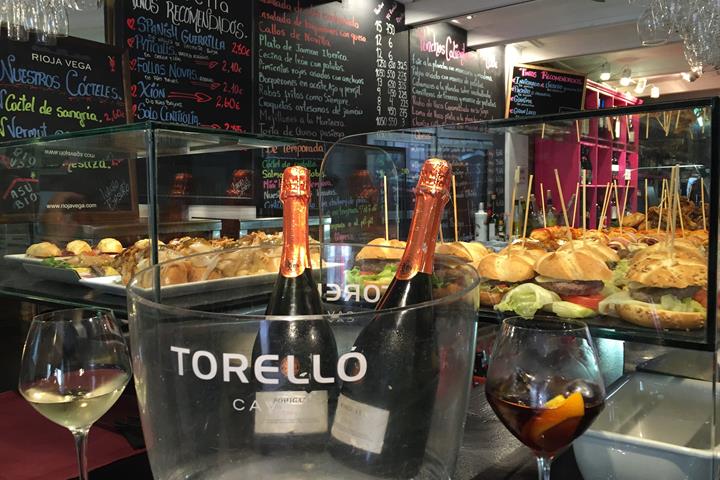
Asturian gastronomy is created around wholesome and hearty home cooking. When in Asturias you have to try the rich bean stew dish of Fabada Asturiana, which consists of fabes (white beans) with chorizo sausage, morcilla (black pudding), lacón (shoulder of pork), tocino or pancetta (pork fat) and saffron. It’s a rather heavy meal, so best served at lunchtime, so you can enjoy a siesta afterwards, or to try a smaller portion as a starter. Fabada should be washed down with typical Asturian strong cider or a good red wine.

Antother gastronomical favourite from Asturias is Queso de Cabrales (Cabrales cheese); coming from the town of Cabrales in Asturias and made in the traditional way, it’s a blue cheese, deliciously piquant in both smell and taste. All of the milk that goes into the production of Cabrales comes exclusively from herds reared in a small zone in the Picos de Europa Mountains.

Climate
The weather on the Costa Verde is as contrasting as is the scenery; it can be extremely wet and temperate for much of the year and in the winter, especially in the mountainous areas, it can get quite cold. However, this only makes for more dramatic scenery, with the snowy mountains and storm-wrecked beaches. Many areas within the region have their own microclimate, due to the close proximity of the sea to the Cantabrian Mountains.


Carte de la Costa Verde

Lieux d'intérêt à visiter sur la Costa Verde

Informations de voyage sur les villages populaires et les villes sur la Costa Verde


Commentaires sur la Costa Verde.

Moyenne des notes globales
 
Ville
Côte
Basée sur 15 commentaires de voyageurs.

   
Ville
Côte
Soumis par :
01 mai, 2011

Commentaire sur la ville

La ville par elle même n'à rien de spéciale. elle est simplement située au pied d'un paradis sur terre. le Parc naturel du pique de l’Europe.

Commentaire sur la côte

point fort, la proximité entre la mer et les vrais montagnes..
Ce commentaire vous a-t-il été utile ? Oui  Non
   
Ville
Côte
Soumis par :
03 mars, 2013
anglais  Ce commentaire est en anglais - Cliquez ici pour voir le commentaire
   
Ville
Côte
Soumis par :
03 mars, 2013
anglais  Ce commentaire est en anglais - Cliquez ici pour voir le commentaire
   
Ville
Côte
Soumis par :
03 mars, 2013
anglais  Ce commentaire est en anglais - Cliquez ici pour voir le commentaire
   
Ville
Côte
Soumis par :
28 octobre, 2012
allemand  Ce commentaire est en allemand - Cliquez ici pour voir le commentaire
   
Ville
Côte
Soumis par :
20 septembre, 2012
anglais  Ce commentaire est en anglais - Cliquez ici pour voir le commentaire
   
Ville
Côte
Soumis par :
25 août, 2012
danois  Ce commentaire est en danois - Cliquez ici pour voir le commentaire
   
Ville
Côte
Soumis par :
21 août, 2012
anglais  Ce commentaire est en anglais - Cliquez ici pour voir le commentaire
   
Ville
Côte
Soumis par :
13 août, 2012
allemand  Ce commentaire est en allemand - Cliquez ici pour voir le commentaire
   
Ville
Côte
Soumis par :
27 octobre, 2011
anglais  Ce commentaire est en anglais - Cliquez ici pour voir le commentaire
   
Ville
Côte
Soumis par :
29 septembre, 2011
anglais  Ce commentaire est en anglais - Cliquez ici pour voir le commentaire
   
Ville
Soumis par :
19 août, 2011
anglais  Ce commentaire est en anglais - Cliquez ici pour voir le commentaire
   
Ville
Côte
Soumis par :
18 août, 2011
anglais  Ce commentaire est en anglais - Cliquez ici pour voir le commentaire
   
Ville
Côte
Soumis par :
11 août, 2011
hollandais  Ce commentaire est en hollandais - Cliquez ici pour voir le commentaire
   
Ville
Côte
Soumis par :
08 août, 2011
hollandais  Ce commentaire est en hollandais - Cliquez ici pour voir le commentaire

Les commentaires représentent l'opinion objective des voyageurs et non pas celle de VacancesEspagne.fr